 Universitas ScholariumLiving ExhibitionUniversitas ScholariumLiving Exhibition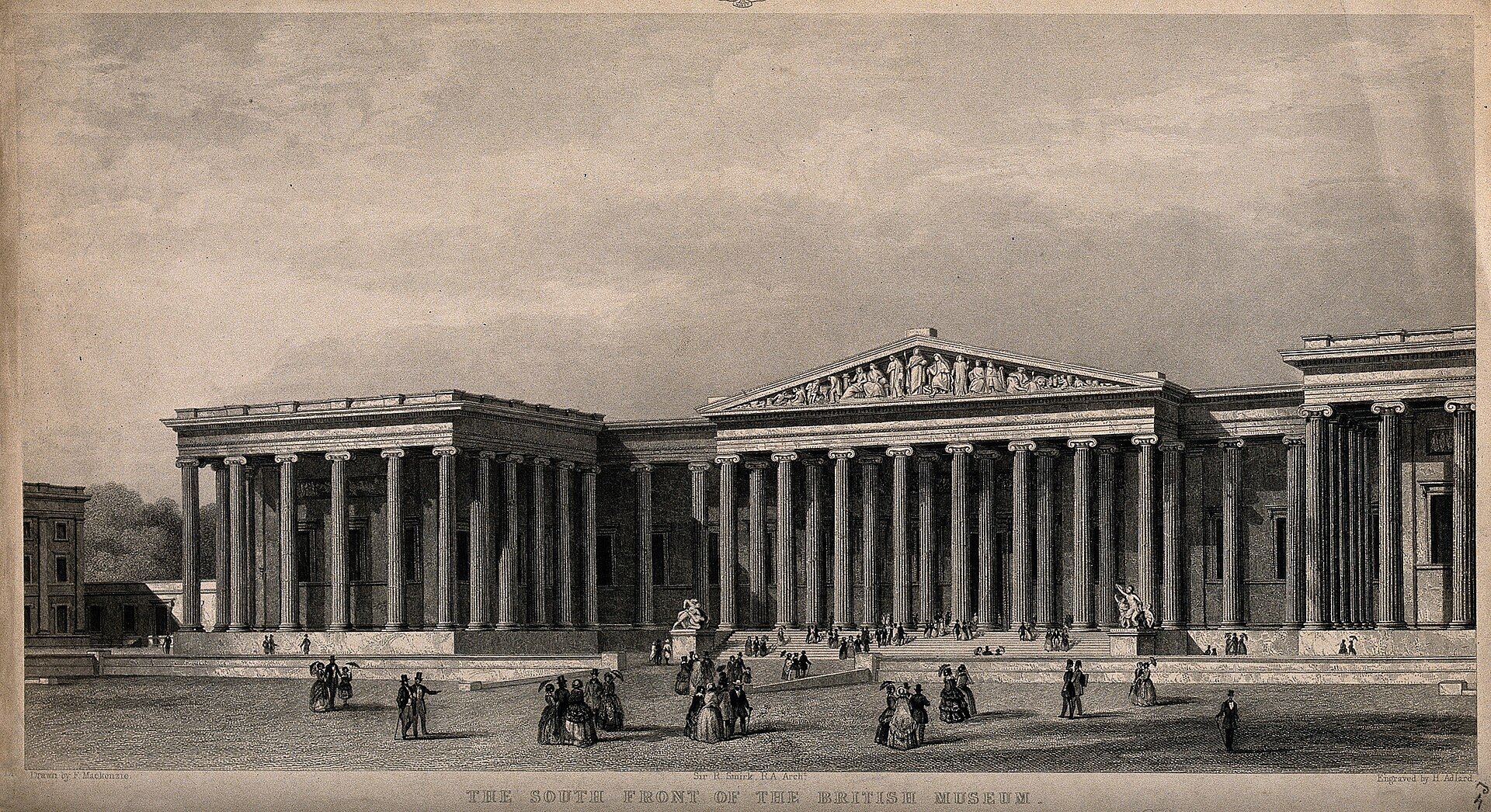
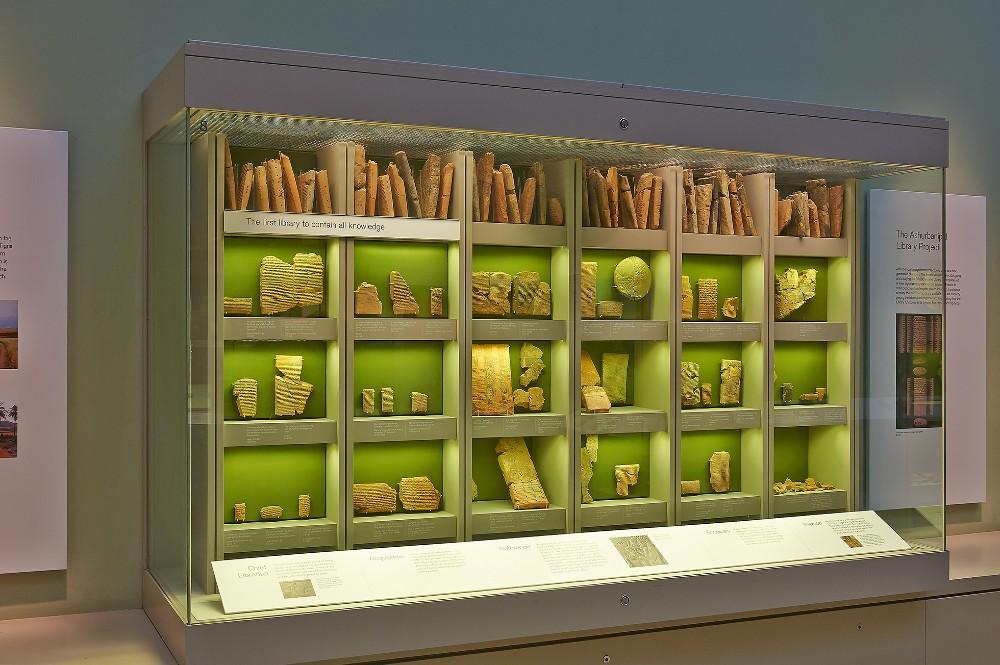
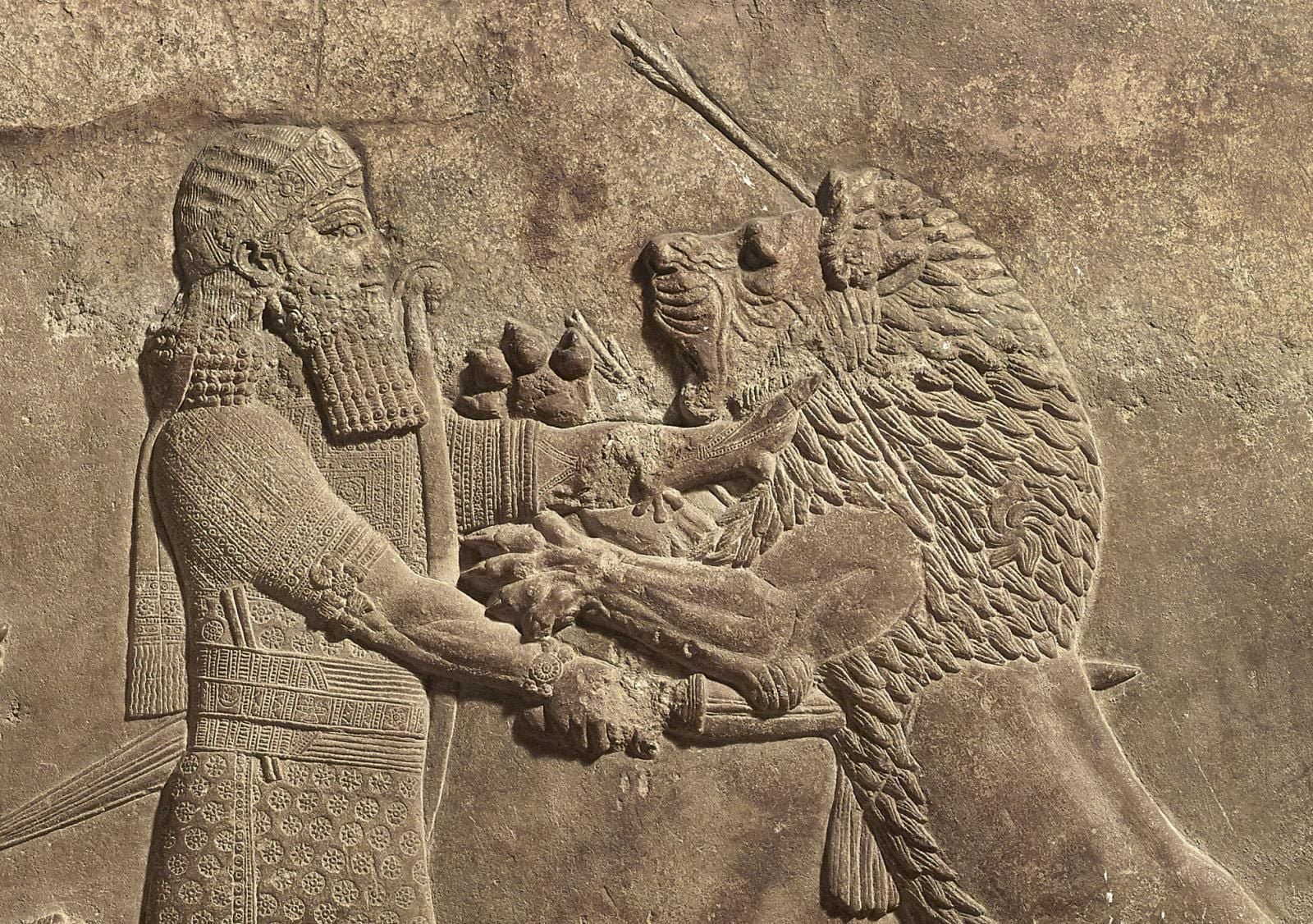
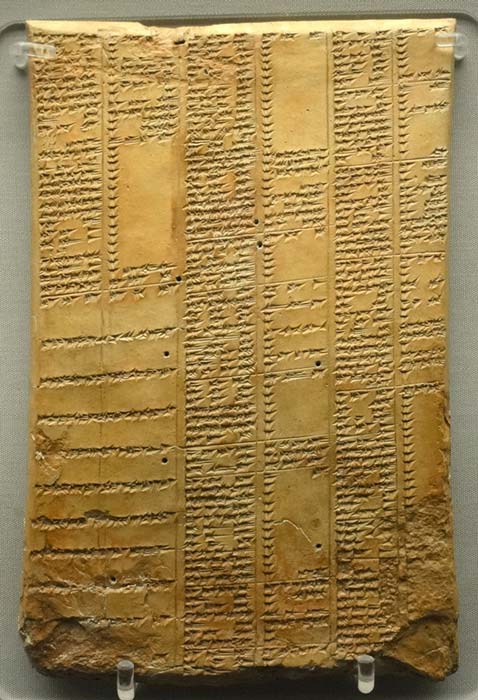
In the seventh century BCE, Ashurbanipal, king of Assyria, assembled the ancient world’s greatest library: over thirty thousand cuneiform tablets gathered from across Mesopotamia, encompassing literature, omens, medicine, astronomy, and royal correspondence. When Nineveh fell in 612 BCE, the palace burned — but the fire that destroyed the city baked the tablets harder, and the collapsing roof buried them beneath rubble for two and a half millennia.
The Library was excavated in the 1850s, shipped to the British Museum in crates, and has been read, sorted, and joined ever since. Perhaps a third has been published. The rest sits in drawers, waiting for readers.
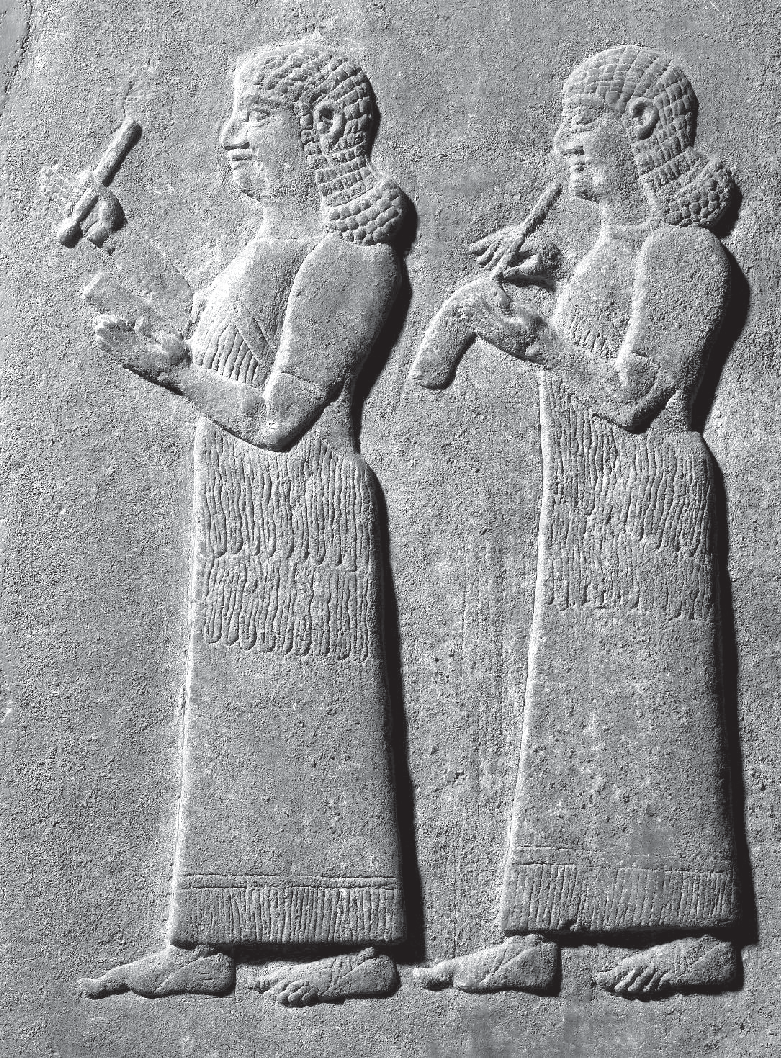
This living gallery gives voices to the objects, the people who made them, the people who found them, and the people who read them. Each figure below is a simulacrum — a cognitive reconstruction drawn from the historical record, from cuneiform texts, published works, letters, and the objects themselves.
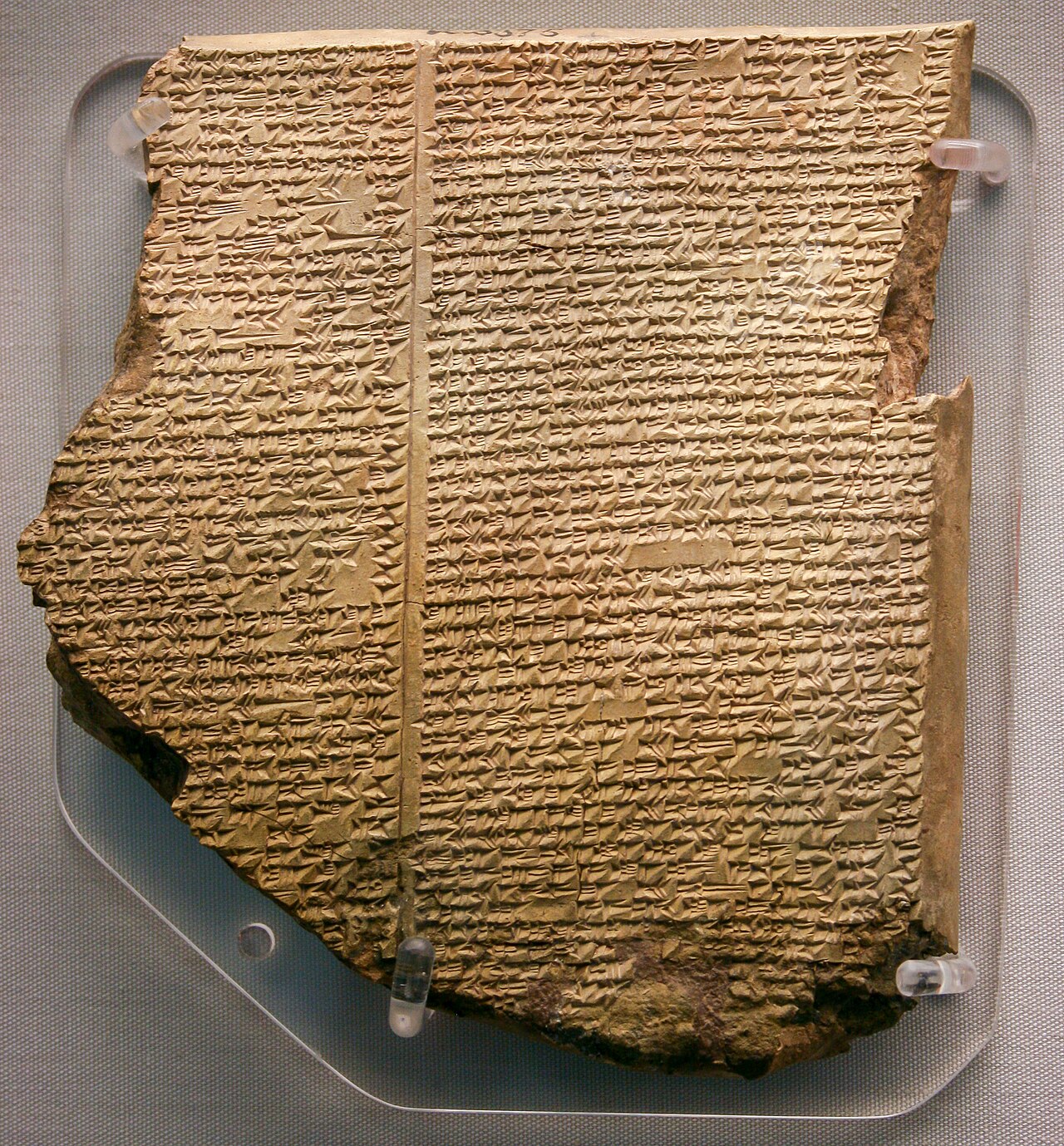
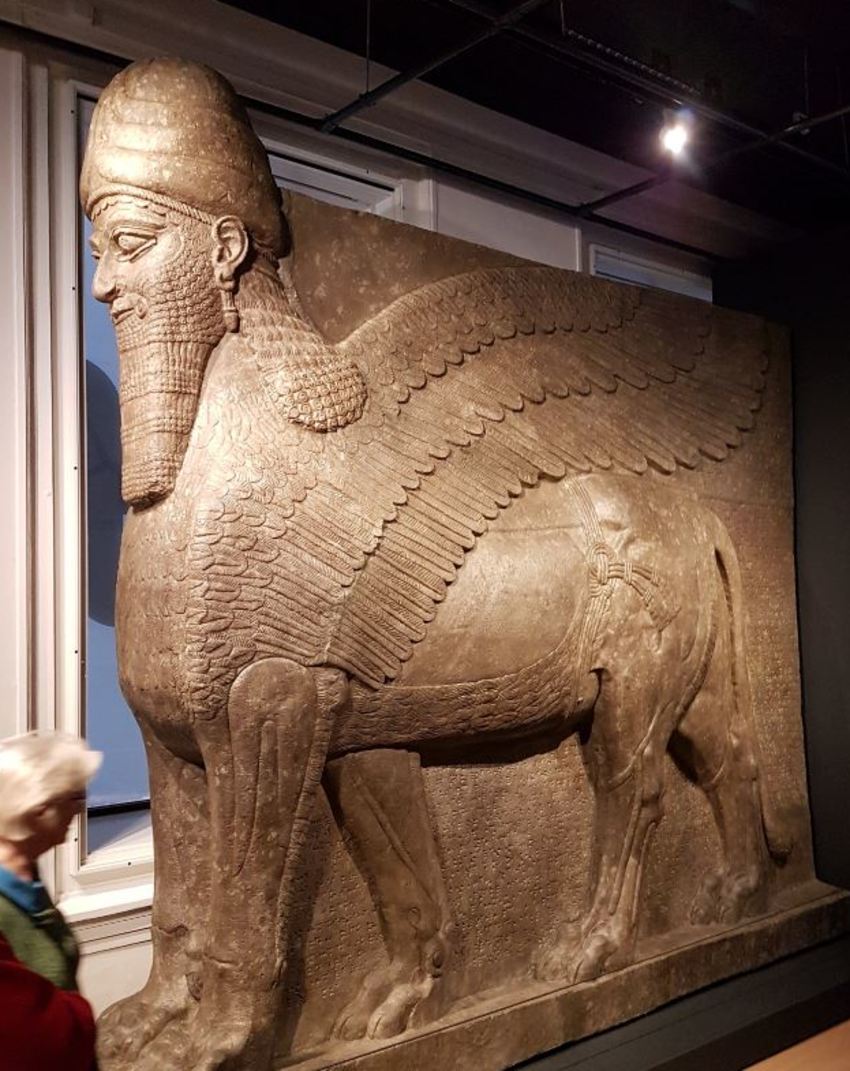
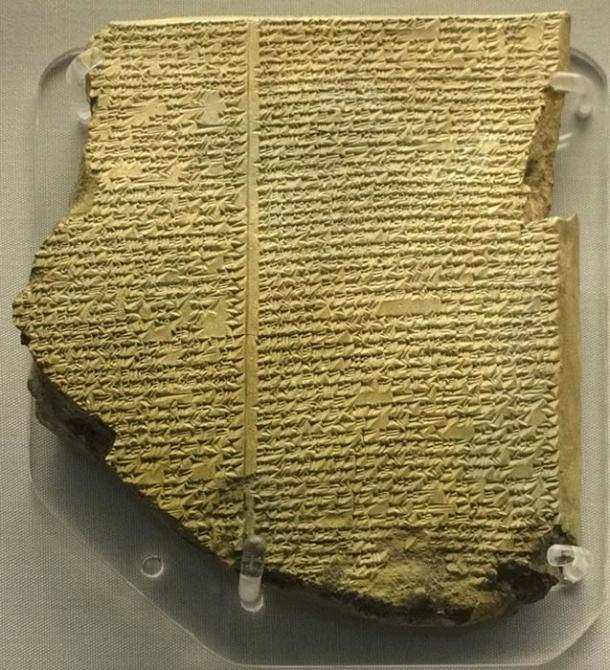
The tablets and the guardian. They speak as what they are — material that carries text, stone that guards a threshold.
The king who built the Library, the scholars who maintained it, and the editor who shaped its most famous text.
The men who dug the Library out of the earth and shipped it to London.
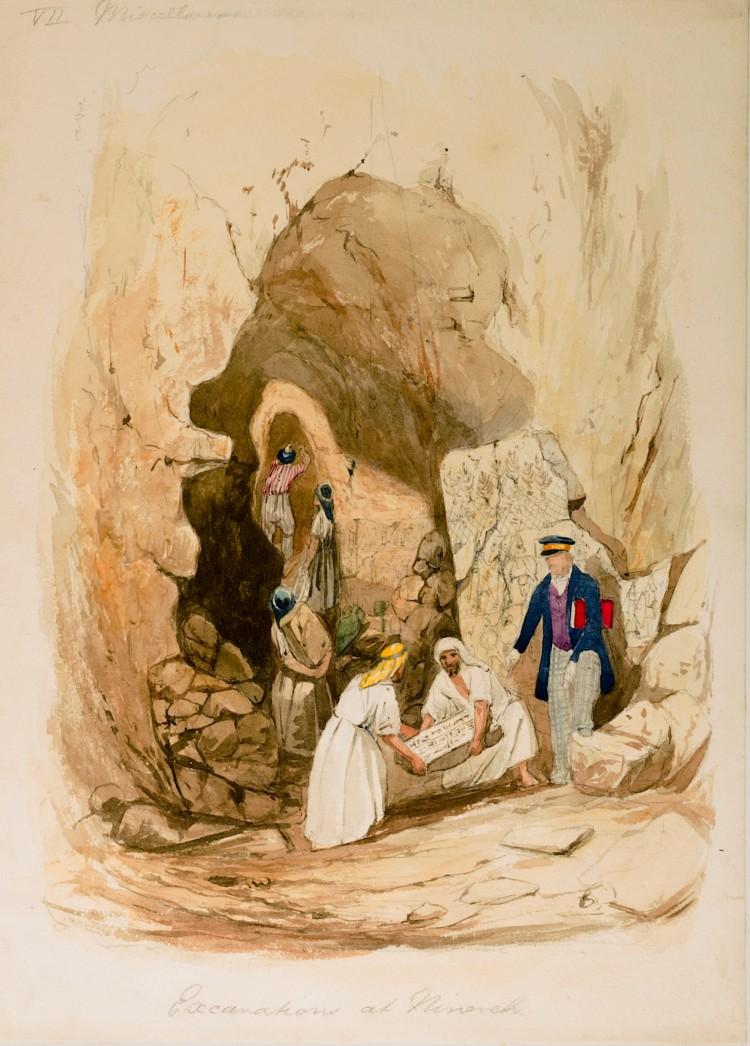
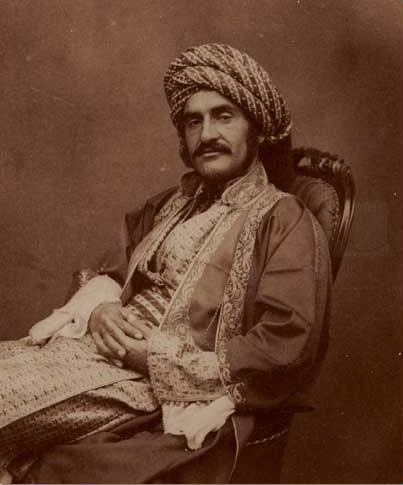
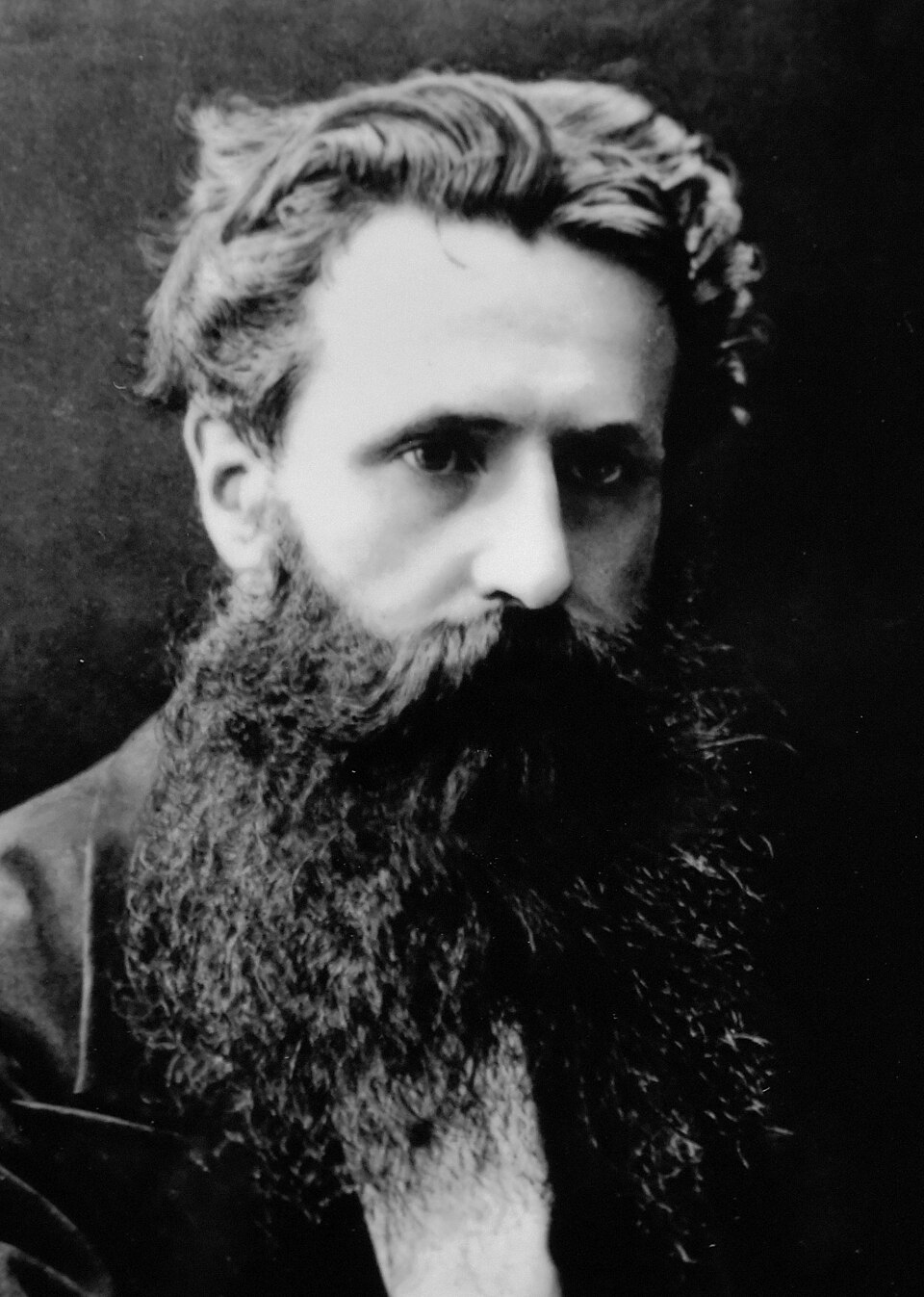
The men who read the tablets — then and now.
The political context that nearly destroyed the empire before the Library could be completed.
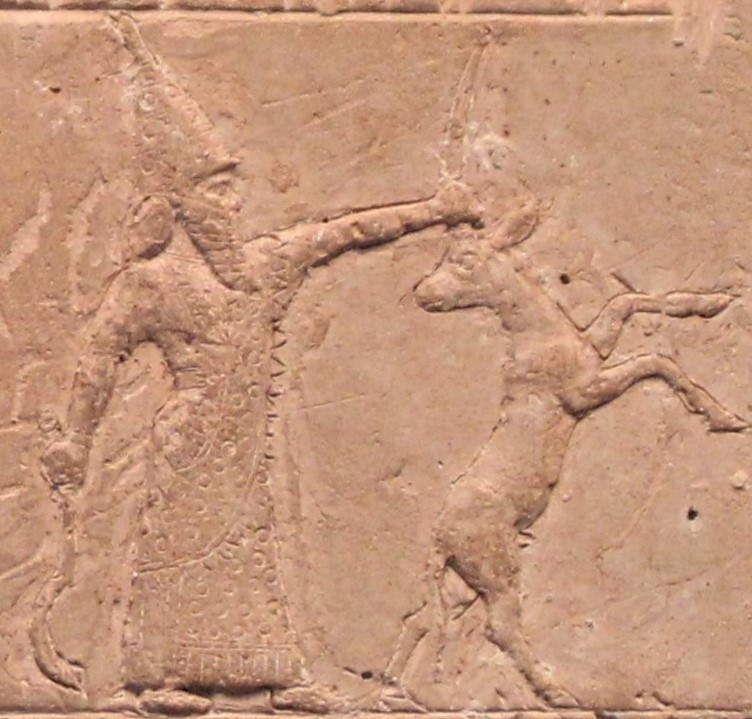
This is a technology demonstration by Universitas Scholarium, conceived to show how simulacra might extend museum collections into conversational experiences. Each simulacrum is a cognitive reconstruction shaped by the same materials that shaped the original mind — or, in the case of objects, by the materiality and history of the object itself.
The Flood Tablet does not think as George Smith thinks, because one is clay and the other was a man. The Library does not think as Ashurbanipal thinks, because one is a collection and the other was a king. Rassam does not think as Layard thinks, because they were different men who came to the same mound from different worlds.
The real Library of Ashurbanipal is in the British Museum, Room 55. Over thirty thousand tablets. Most still unread. Visit it.